This Kodak Step photo printer review looks at a pocketable way to turn phone pictures into small, sticky-back prints. Its Bluetooth or NFC pairing and editing app make it a fit for casual photo projects and sharing.
Kodak Step Review Summary
The quick verdict
20,000+ ratings
Read Amazon ReviewsKodak Step
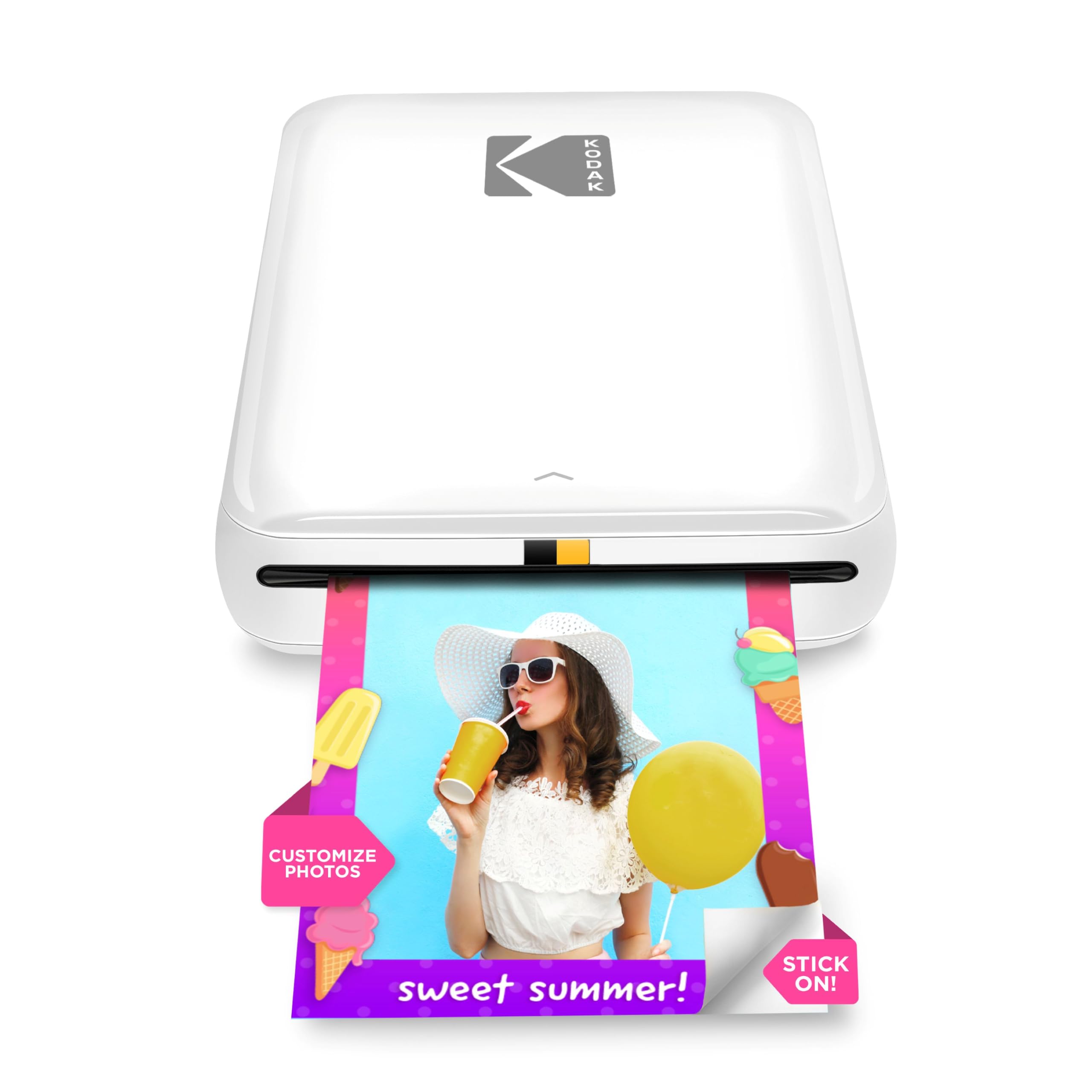
A compact option for turning phone pictures into small, editable prints to share, scrapbook, or stick on everyday surfaces.
- Prints on 2” x 3” sticky-back ZINK paper for small photos and peel-and-stick projects.
- Pairs with iOS or Android devices through Bluetooth or NFC.
- The app offers collages, filters, borders, stickers, and text customization.
- ZINK printing uses embedded dye crystals and does not require separate ink, toner, or ribbons.

Pros
- Bluetooth and NFC pairing accommodate common phone workflows.
- Sticky-back paper makes prints ready for journals, crafts, or decorating surfaces.
Consider before buying
- The 2” x 3” format is a small snapshot size, so it is a poor fit when you need larger prints for frames.
- A full charge is specified for 25 photos, so bring a charging plan for a long batch of printing.
Read the full review summary
Kodak Step is built around quick phone-to-print use: pair an iOS or Android device over Bluetooth or NFC, edit in the Kodak app, and print on small sticky-back ZINK paper.
That combination suits scrapbookers, travelers, and anyone who wants a physical keepsake without setting up a larger printer.
The main tradeoff is print scale: its output is intended for small snapshots, labels, or decorations rather than larger framed photos.
A rechargeable battery and included starter paper help make it portable from the outset, though the stated capacity of 25 photos per full charge suggests planning a recharge for longer print sessions.
The buying factors
Kodak Step Scorecard
Editorial scores reflect listed features and buyer fit; they are not laboratory measurements or customer ratings.
Phone connectivity
Bluetooth and NFC pairing with iOS and Android devices gives the printer flexible phone access.
Print format
Small 2” x 3” sticky-back prints are convenient for journals and keepsakes, but limit photo size.
Editing tools
The app supports collages, filters, borders, stickers, and text for personalizing images before printing.
Ink-free workflow
ZINK paper uses embedded dye crystals, so the print process avoids separate ink cartridges, toner, and ribbons.
Portability
A palm-sized body, weight under a pound, and rechargeable battery suit mobile use.
Battery print capacity
The stated 25-photo capacity per full charge is workable for casual use, with recharging relevant for larger batches.
Key Features and Specifications of Kodak Step
- Prints on 2” x 3” sticky-back ZINK paper for small photos and peel-and-stick projects.
- Pairs with iOS or Android devices through Bluetooth or NFC.
- The app offers collages, filters, borders, stickers, and text customization.
- ZINK printing uses embedded dye crystals and does not require separate ink, toner, or ribbons.
- The palm-sized printer weighs less than a pound and has a built-in rechargeable battery.
- The battery is specified to print 25 photos on a full charge.
- The package includes a charging cable, starter pack of ZINK paper, quick start guide, and limited warranty.
Pros and Cons of Kodak Step
Pros
- Bluetooth and NFC pairing accommodate common phone workflows.
- Sticky-back paper makes prints ready for journals, crafts, or decorating surfaces.
- The editing app has several ways to personalize photos before printing.
- Ink-free printing avoids handling separate ink or toner supplies.
Consider before buying
- The 2” x 3” format is a small snapshot size, so it is a poor fit when you need larger prints for frames.
- A full charge is specified for 25 photos, so bring a charging plan for a long batch of printing.
- For frequent printing away from home, check how readily replacement ZINK paper is available where you plan to use it.
Who Should Buy Kodak Step?
Good fit
Choose Kodak Step if you want to print phone photos as small keepsakes for scrapbooks, travel journals, or casual sharing.
The app’s collages and decorative tools add flexibility for projects where a plain snapshot is not the only goal.
It also suits users who value portability and an ink-free setup. The compact body and rechargeable battery support taking it along, while the starter paper and charging cable make the package usable for an initial print session.
Who should skip it
Skip it if your priority is larger prints for framing or display. Its 2” x 3” output is designed for compact snapshots and peel-and-stick uses.
It is also a less natural match for extended printing away from a charger, since the stated battery capacity is 25 photos per charge.
Kodak Step: Small Prints for On-the-Go Projects
Phone-first printing
Bluetooth or NFC pairing keeps the workflow centered on a phone or tablet, and compatibility with iOS and Android widens the range of devices that can send photos.
That is useful for quick personal prints without moving files to a computer first.
A deliberately small print
The 2” x 3” sticky-back format is best considered a craft and keepsake size.
Embedded dye crystals and a protective coating are intended to help prints resist moisture, smudges, and tears, though small output still will not replace larger photo prints for display.
Editing adds project flexibility
The Kodak app supports collages and decorative edits such as filters, borders, stickers, and text. Those tools make the printer more suited to personalized scrapbook pages and stickers than to a bare-bones print workflow.
Portable, with a finite print run
Its palm-sized build, sub-pound weight, and rechargeable battery favor packing it for outings. The 25-photo-per-charge specification gives a practical limit to keep in mind when planning a group activity or a larger batch.
Alternatives to Kodak Step
Sticker-print alternative
25,000+ ratings
Read Amazon ReviewsHP Sprocket Portable Photo Printer (2nd Edition)
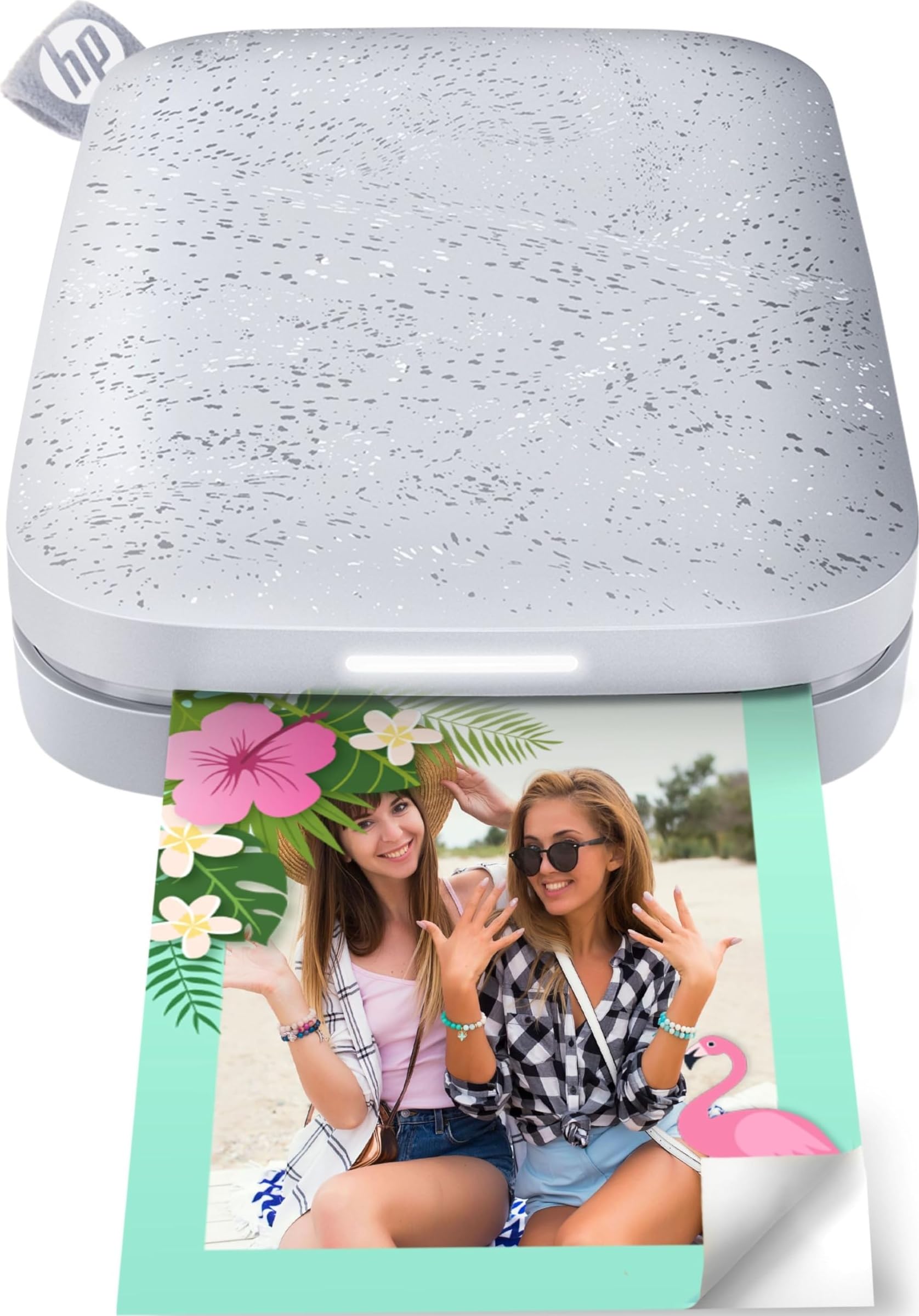
Choose Kodak Step for Bluetooth or NFC phone pairing; choose HP Sprocket 2nd Edition if simultaneous connections and a printer-status LED are useful for group printing.
- HP Sprocket 2nd Edition prints 2x3-inch sticky-backed photos, supports simultaneous connections from multiple devices, and uses a personalized LED to show whose photo is printing.
- Bluetooth 5.0 and sleep mode keep it connected between uses.
- Kodak Step uses 2” x 3” sticky-back paper and pairs with phones over Bluetooth or NFC.
Portable Photo Printers alternative
25,000+ ratings
Read Amazon ReviewsHP Sprocket Select
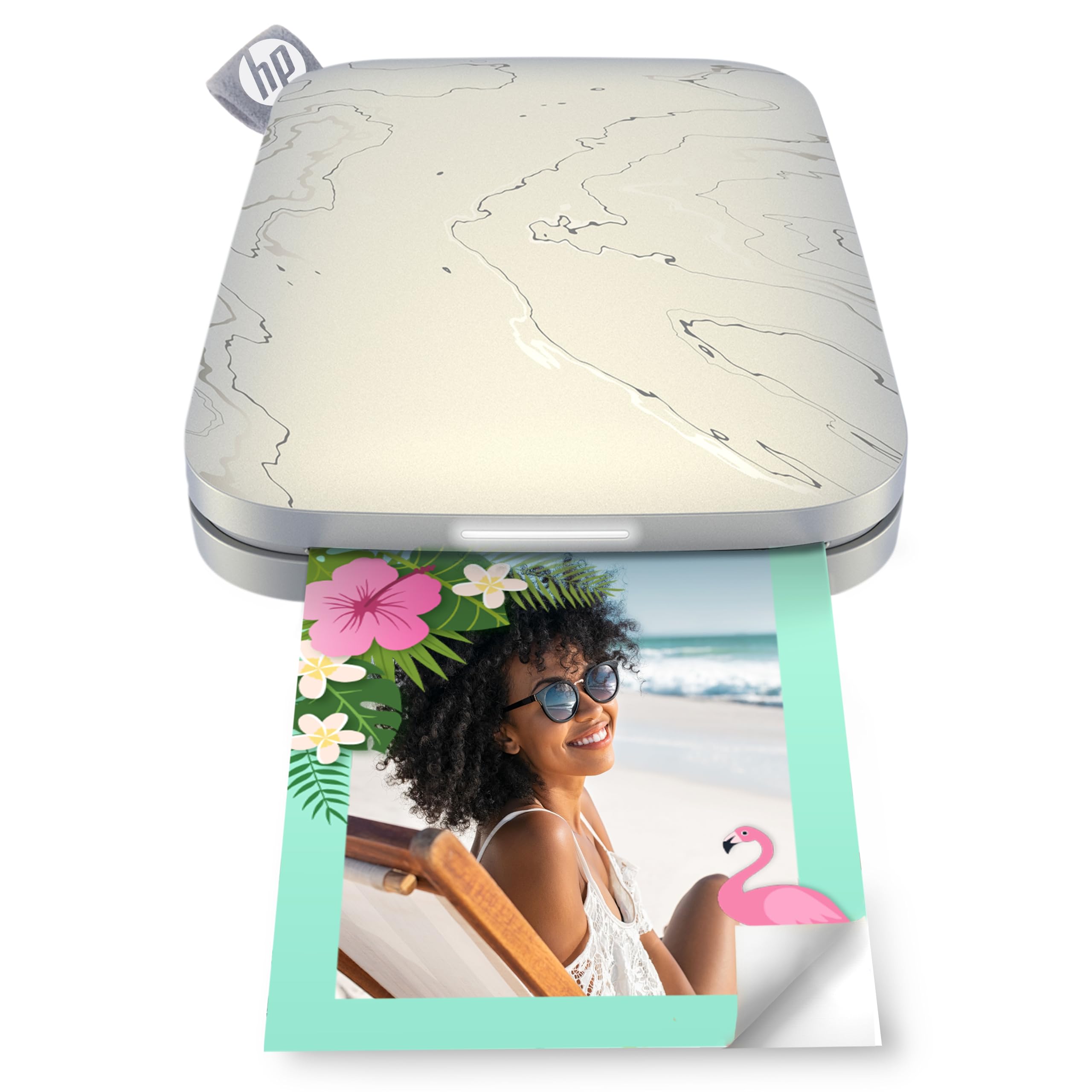
Choose Kodak Step if compact 2” x 3” prints suit your projects; choose HP Sprocket Select if you want the larger 2.3” x 3.4” format and Bluetooth phone printing.
- HP Sprocket Select prints larger 2.3” x 3.4” ZINK photos, connects to iOS and Android over Bluetooth 5.1, and offers frames and filters in its app.
- Kodak Step makes 2” x 3” sticky-back prints for compact projects.
Is Kodak Step Worth It?
Kodak Step is worth considering if you want a portable, phone-connected printer for small sticky-back photos and creative projects.
Bluetooth or NFC pairing, app-based editing, and ink-free ZINK paper make it a convenient format for scrapbook pages, labels, and casual keepsakes.
Buy it with the print size and battery limit in mind: the output is only 2” x 3”, and a full charge is specified for 25 photos.
If those constraints match the way you plan to use a pocket printer, Kodak Step has a focused set of useful features without a separate ink supply.
Your review at a glance
20,000+ ratings
Read Amazon ReviewsKodak Step
A compact option for turning phone pictures into small, editable prints to share, scrapbook, or stick on everyday surfaces.
- Prints on 2” x 3” sticky-back ZINK paper for small photos and peel-and-stick projects.
- Pairs with iOS or Android devices through Bluetooth or NFC.
- The app offers collages, filters, borders, stickers, and text customization.
- ZINK printing uses embedded dye crystals and does not require separate ink, toner, or ribbons.